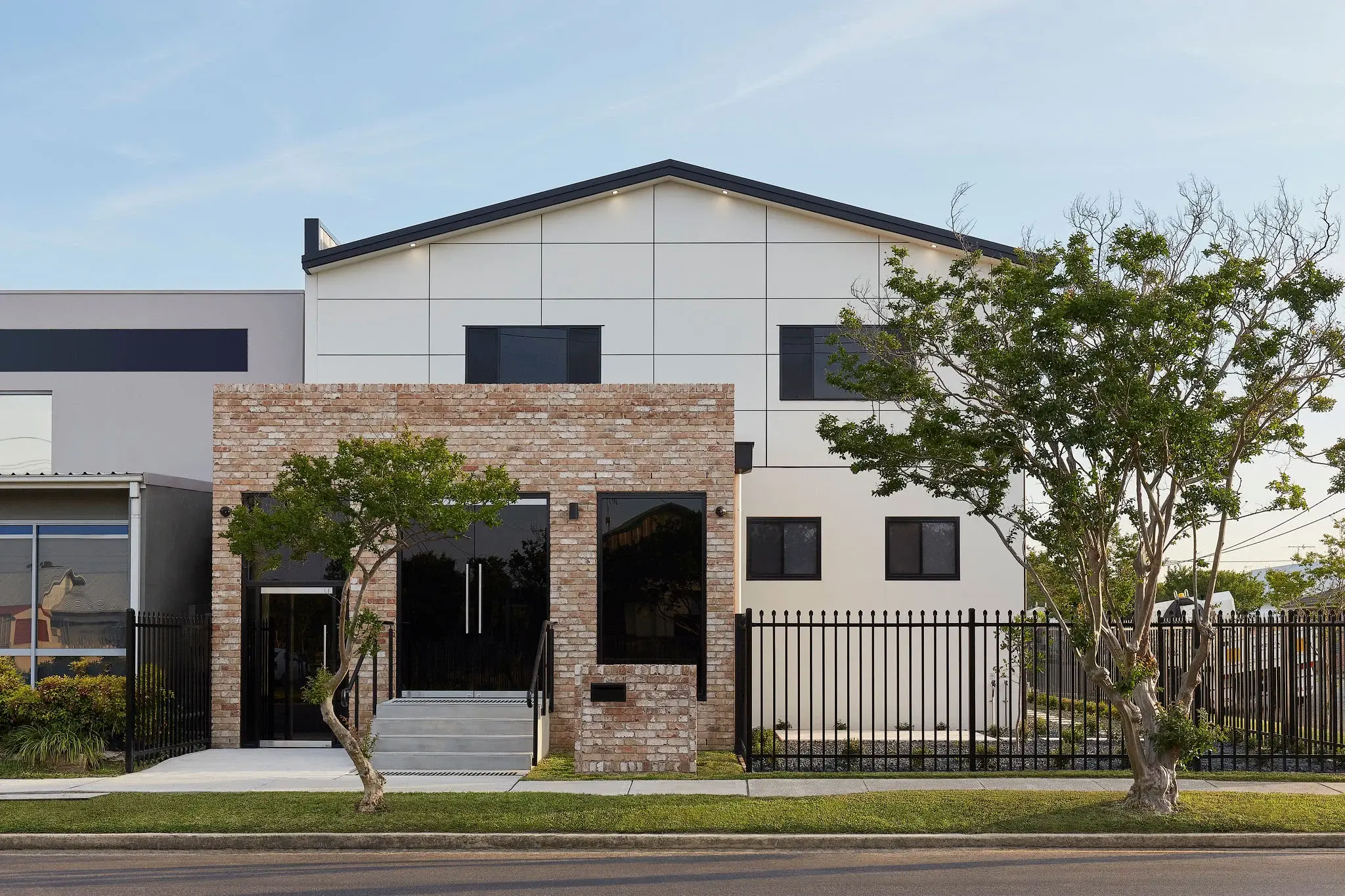
Heritage Renovation Building Design
- Newcastle and the Hunter
Heritage renovation involves two compliance frameworks that do not always align: the heritage requirements governing what can be altered or added to a listed property, and the Building Code of Australia requirements that apply to any building work regardless of heritage status. Finding that they conflict after DA approval has been granted is significantly more costly than resolving that conflict during the design process. Buildingwise Developments applies both frameworks together from the earliest design stages, so that heritage-sensitive design decisions are also tested against BCA requirements before the documentation is lodged.
Heritage renovation is one of the more specific areas of building design work. The design has to satisfy two separate compliance frameworks: the heritage requirements that govern what can be altered, removed, or added to a heritage property, and the Building Code of Australia requirements that apply to any building work regardless of the building's heritage status.
Those two frameworks interact in ways that are not always obvious. In ways that not all building designers, and not all heritage consultants, fully account for. Finding that they conflict after DA approval has been granted is significantly more costly than understanding and resolving that conflict during the design process.
What Heritage Renovation Building Design Involves
Heritage Listed Properties and Heritage Conservation Areas
Heritage controls in NSW operate in two main ways. Individual heritage listings protect specific buildings, structures, or places that have been formally identified as having local or state heritage significance. Heritage conservation areas protect the character of a broader precinct, including buildings that may not be individually listed but that contribute to the significance of the area.
Both types of heritage control impose requirements on what can be altered, demolished, or built on the property. In both cases, a Development Application is required for any significant building work. Complying Development is generally not available as an approval pathway for works to a heritage-listed item or in a heritage conservation area where the works may affect heritage significance.
How Heritage Overlay Requirements Interact with the Building Code of Australia
A heritage renovation project has to satisfy the heritage requirements and the BCA requirements. These are separate compliance frameworks assessed at different stages of the approval process.
Heritage requirements are primarily assessed at the Development Application stage, through a Statement of Heritage Impact prepared by a heritage consultant. BCA requirements are assessed in detail at the Construction Certificate stage, covering fire safety, structural adequacy, energy efficiency, and accessibility.
The problem is that these two frameworks do not always point in the same direction. A design response guided by heritage sensitivity may conflict with a BCA requirement. A building element that heritage guidelines seek to retain may not meet current fire safety or structural standards in its existing form. Where those conflicts exist, they need to be identified and resolved during the design process. Finding them after DA approval, when the heritage documentation is already prepared and lodged, is significantly more expensive and disruptive to resolve than addressing them at the concept or developed concept stage. If the building design can not meet the requirements of the BCA, it will need to be modified to do so. This will likely mean a resubmission of plans, reports and all documentation prepared in the DA.
The DA Process for Heritage Renovation
A Development Application for a heritage renovation includes the standard DA documentation alongside a Statement of Heritage Impact, which sets out the heritage significance of the property, the proposed works, and how those works respond to the relevant heritage guidelines. The Statement of Heritage Impact is prepared by a heritage consultant. Where the works are significant, the council's heritage adviser may be involved in the assessment.
Buildingwise Developments coordinates with heritage consultants through the DA process, contributing building design and BCA knowledge alongside the heritage assessment, not as a separate exercise at the end.
Where Designs Can Go Wrong on Heritage Projects
Heritage renovation projects have a specific failure mode that is worth understanding before a design direction is committed.
Most clients do not know that a design can pass Development Application approval but still fail at the Construction Certificate stage. They do not know that a heritage consultant can be wrong about what the Building Code of Australia allows. They do not know how much difference it makes to have that knowledge applied from the start.
A heritage consultant brings expertise in heritage significance, heritage guidelines, and the assessment of heritage impact. That expertise is essential. It is not what Buildingwise Developments replaces.
What Buildingwise Developments adds is the building surveying and BCA knowledge that confirms the proposed design, including the elements shaped by heritage requirements, also complies with the Building Code. Those two knowledge sets are applied together, from the early design stages, rather than in sequence.
Without that, it is possible for a design to satisfy the heritage requirements, receive DA approval based on a Statement of Heritage Impact that the council finds acceptable, and then contain BCA non-compliances that have to be resolved before a Construction Certificate can be issued. At that point, the heritage consultant and the client have already invested in a design direction, and the cost of revisiting it is significant.
DA Approval Is Not the Same as CC Approval
A Development Application assesses the planning merits of a proposal, including heritage impact. A Construction Certificate is not issued until the design has been confirmed as complying with the Building Code of Australia in full technical detail.
A design can receive DA approval for satisfying the planning requirements, including the heritage requirements, without satisfying the BCA requirements that apply to the same works. On a heritage renovation project, where the design responses are often specifically shaped by heritage sensitivity, the gap between what passes DA and what passes CC can be substantial.
Identifying and resolving that gap at the concept design stage costs almost nothing. Identifying it after DA approval costs considerably more. More on Construction Certificate documentation →
Why BCA Knowledge Matters at the Heritage Design Stage
At each design stage, every project is reviewed by registered building surveyors and a licensed builder. Not as a final check before lodgement. Throughout the process, from the first sketch to the completed drawing set.
On a heritage renovation, that review specifically includes assessing how the proposed heritage-sensitive design responds to BCA requirements: fire safety, structural adequacy, energy efficiency, and accessibility. Where the heritage requirements and BCA requirements come into conflict, the resolution is worked through during the design process, before those conflicts become approval problems.
What Buildingwise Developments Prepares
Heritage Renovation Design Documentation
Full design documentation for the proposed renovation works, including floor plans, elevations, sections, and construction detail drawings required for the approval and construction of the proposed scope. The documentation is prepared with both heritage requirements and BCA requirements considered from the start of the design process, not addressed separately or in sequence.
DA Drawing Packages for Heritage and Conservation Area Projects
DA documentation prepared to the standard required for heritage renovation submissions, coordinated with the heritage consultant's Statement of Heritage Impact and prepared for council assessment. Where the council's heritage adviser is involved in the assessment process, the documentation is prepared to support that process directly.
Coordination with Heritage Consultants, Engineers, and Certifiers
Heritage renovation projects require a heritage consultant. In most cases, they also require a structural engineer, particularly where existing structural elements are being altered or where new structure is being added to an existing heritage building. Buildingwise Developments coordinates those consultants as part of the project at Stage 5 of the design process, with the design sufficiently developed for consultant input to be efficient and targeted.
BCA Compliance Review Throughout the Design Process
The BCA compliance review is not a final check applied to a completed design. It is built into the design process at each stage, so that the interaction between the heritage requirements and the BCA requirements is understood from the concept stage, and conflicts are resolved before design directions are locked in.
Newcastle and the Hunter - Heritage Context
Newcastle and the Hunter have a significant and varied heritage building stock. Established inner suburbs contain concentrations of heritage-listed and heritage conservation area properties: Victorian-era and Federation-era residential buildings, early-twentieth-century commercial buildings and former industrial sites, and interwar and postwar residential development across the established urban areas. The broader region includes historic rural townships, agricultural buildings, and coastal heritage properties across the Hunter Valley and Port Stephens.
Heritage renovation work across this region involves a range of building types, scales, and heritage significance levels. The approach to any heritage renovation project at Buildingwise Developments starts with the specific property: what it is, what it is significant for, and what the proposed works are trying to achieve within those constraints.
Common Questions
Do I need a DA to renovate a heritage-listed property?
Yes. Any building work to a heritage-listed property, or to a building within a heritage conservation area, requires a Development Application. This can include internal alterations in some cases, depending on the nature of the works and the significance of the elements being altered. Minor maintenance works that do not affect heritage significance may not require consent, but the threshold for what constitutes an exempt works category varies by listing type and council controls. If you are unsure whether your proposed works require a DA, an enquiry is the right starting point.
Can a heritage building be made to comply with modern building code requirements?
Yes, with careful design. The BCA provides pathways, including performance solutions and alternative solutions, that in many cases allow heritage buildings to meet fire safety, structural, energy efficiency, and accessibility requirements without changes that would destroy the heritage significance of the building. Working through those solutions requires expertise in both the heritage requirements and the BCA, applied together during the design process. The solutions that are available, and what they cost to implement, are much easier to assess and plan for at the design stage than after DA approval.
What if my property is in a heritage conservation area but not individually listed?
Heritage conservation area controls still may apply. Even where a building is not individually listed, it may be identified as a contributing element to the conservation area, in which case the controls governing what can be altered or demolished on the site are significant. The specific controls that apply, and what they mean for the proposed works, vary between conservation areas and between councils. An enquiry is the right starting point to establish what applies to your property and what the design options are within those constraints.
Where We Work
Buildingwise Developments prepares heritage renovation building design documentation across Newcastle, Lake Macquarie, Maitland, Port Stephens, Dungog Shire, Singleton Shire, and the broader Hunter region, including heritage-listed properties and heritage conservation area projects in established urban suburbs and rural and coastal townships across the Hunter. For the right project, work extends across broader NSW.
Talk to Us About Your Heritage Project
Heritage renovation projects are worth discussing early, before design directions are committed and before a heritage consultant has been engaged. An enquiry gives us enough information to have a real conversation about the property, the heritage controls that apply, and what the design process will look like.
We'd love to hear about your project and let you know how we can help!
Call us on: 02 4957 8187 or click one of the buttons below ...