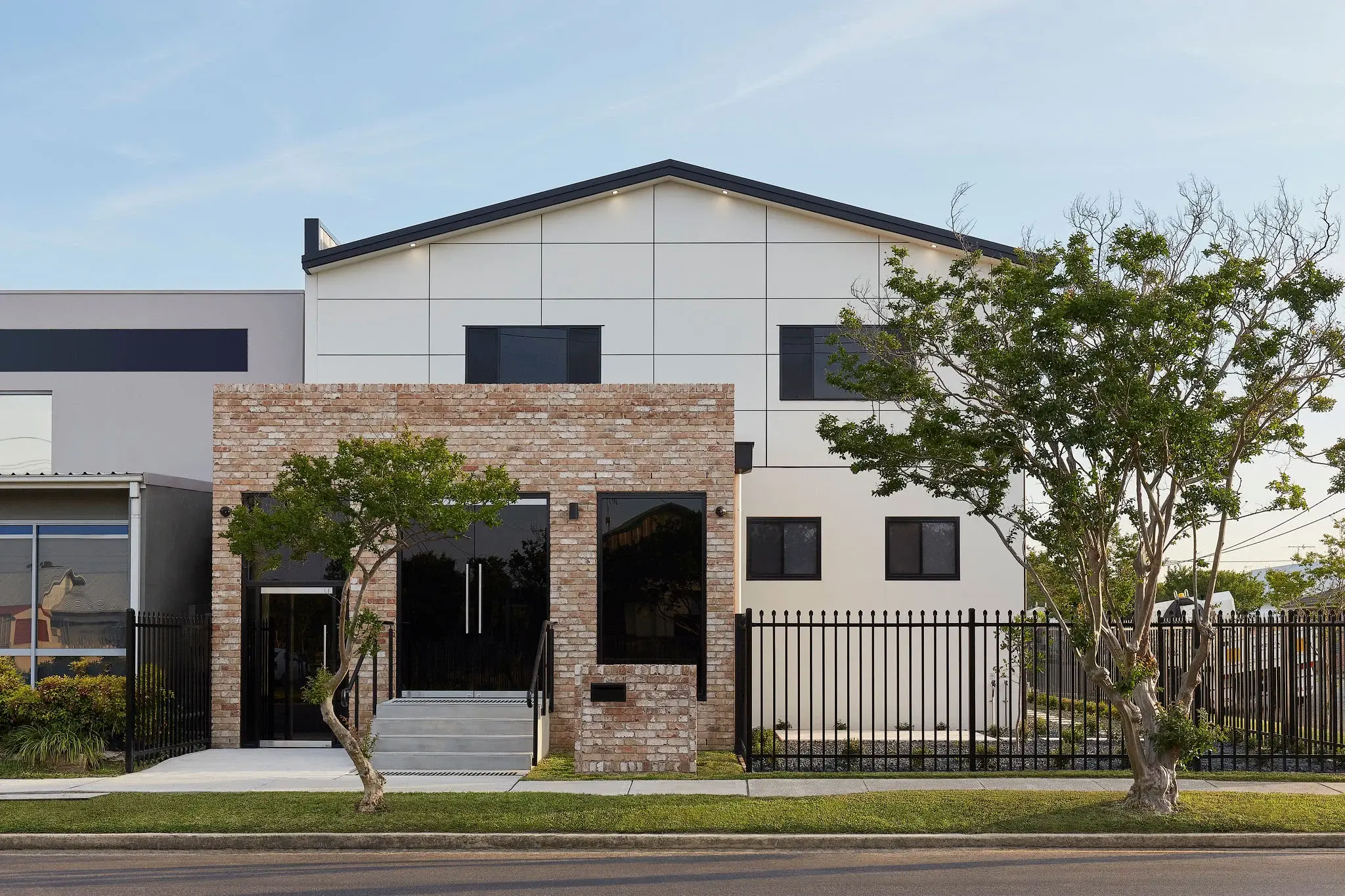
Residential Building Design - New Homes, Renovations, and Extensions
From new home builds to renovations, extensions, and knockdown rebuilds, Buildingwise Developments works across the full range of residential building design across Newcastle, Lake Macquarie, Maitland, and the broader Hunter.
The team brings together qualifications in building design, architecture, and structural design, and every project is reviewed by registered building surveyors and a licensed builder throughout the process.
Compliance is built into the design from the first sketch, not worked out when it is expensive to change.
Design That Works for How You Live
Designing a home is one of the few chances most people get to build something exactly for them. The layout, the light, the way the spaces connect, how the kitchen sits relative to the outdoor area, and where the kids land when they walk through the door. Those decisions shape how a home feels to live in every single day.
Getting them right takes more than a good eye. The team at Buildingwise Developments brings together qualifications across building design, architecture, and structural design, alongside real hands-on experience in building surveying and construction. That combination means the design is developed by people who understand not just what looks right on screen, but what works when it is actually being built.
It also means the compliance and approval requirements are built into the design from the first sketch, not worked out later when changing course costs money. For clients across Newcastle and the Hunter region, that difference shows up in projects that move through approvals smoothly and get built the way they were designed.
What Makes Buildingwise Developments Different
At each design stage, every project is reviewed by registered building surveyors and a licensed builder. Not as a final check before lodgement. Throughout the process, from the first sketch to the completed drawing set.
A problem caught at the 5% design stage costs almost nothing to fix. The same problem discovered during construction can cost tens to hundreds of thousands of dollars.
Most clients do not know that a design can pass Development Application approval but still fail at the Construction Certificate stage. They do not know that a heritage consultant can be wrong about what the Building Code of Australia allows. They do not know how much difference it makes to have that knowledge applied from the start.
That is exactly the kind of problem this practice is built to prevent.
Residential Design Services
Whether you are building from scratch, extending what you have, or figuring out the best way to get more out of your property, the starting point is the same: a design that works for the people who are going to live in it.
Buildingwise Developments works on residential projects of all scales across Newcastle and the Hunter region. New homes, renovations, extensions, dual occupancy, secondary dwellings, knockdown rebuilds, and alterations to existing homes. Every project is approached as a design problem first, and reviewed for compliance and buildability throughout, so what gets built matches what was designed.
New Home Design
Building a new home is one of the more significant decisions most people make. The design should reflect how you want to live in the space, how the home will work for your household over the long term, by future-proofing the design, and what the property needs to do for you beyond the obvious. Getting those decisions right early, before design directions become expensive to change, is what the process at Buildingwise Developments is built around.
There is a lot that goes into making a home feel right. The way rooms connect, how natural light moves through the house across the day, the relationship between inside and outside, the things that are easy to get wrong on paper, and only become obvious once you are living in them. The design process at Buildingwise Developments is about working through all of those decisions deliberately, with the experience to know which ones matter most and when.
The brief, the site, the council requirements, the structural implications of early design decisions: all of it is worked through as the design develops, not checked at the end.
The result is a home that gets built the way it was imagined, not a version shaped by problems that could have been caught and fixed months earlier.
Renovations and Additions
Renovations and extensions introduce a set of challenges that new builds do not. An existing structure may not meet current owners’ or Building Code requirements. Council constraints on the site may have changed. The proposed works may trigger requirements around accessibility, fire safety, or energy efficiency that apply to the whole building, not just the new part.
Understanding those triggers early, at the design stage, is what prevents a straightforward renovation from turning into an expensive compliance exercise mid-construction.
Common residential renovation and extension projects include bedroom and ensuite additions, second-floor or additional level builds, pools and pool structures, decks, carports, garages, and landscaping structures. Some alterations proceed as Complying Development. Others require a Development Application regardless of scale. The right pathway depends on the specific works, the property, and the applicable council controls.
Buildingwise Developments works through the existing structure, the applicable council controls, and the BCA implications of the proposed works before design decisions are locked in. That process is particularly valuable on renovation and extension projects, where the interaction between existing and new work adds a layer of complexity that many designers underestimate.
Alterations and Additions
Not all residential work requires a full Development Application. Some alterations may be capable of proceeding as Complying Development, which follows a different approval pathway and can be faster. Others will require a DA regardless of scale.
The right pathway depends on the specific works, the property, and the applicable council controls. Buildingwise Developments can assess which pathway is appropriate for your project and prepare documentation accordingly.
If you are unsure whether your proposed works need a DA or can proceed another way, the best starting point is an enquiry.
Dual Occupancy
A dual occupancy is when two or more separate habitable buildings are on the same property. For many landowners across Newcastle and the Hunter region, dual occupancy is one of the most practical ways to get more out of a site, whether that is housing extended family, generating rental income from a second dwelling, or developing a block that is large enough to support two homes without subdivision.
Buildingwise Developments handles dual occupancy design as part of the residential offering. The design process is the same as any residential project: the brief, the site, what the block allows, and what will work for the people living there. Because eligibility and council controls vary considerably between sites, that assessment happens at the beginning of the process, before any design direction is committed to. Discover more about dual occupancy design in Newcastle and the Hunter here →
Secondary Dwellings and Granny Flats
A secondary dwelling, whether a granny flat, detached studio, or self-contained unit built alongside an existing home, is one of the most common residential projects across Newcastle and the Hunter region. Secondary dwellings can be a practical solution for multigenerational living, rental income, or making better use of a larger block.
What approval is required depends on the property, the proposed structure, and the applicable council controls. Some secondary dwellings can proceed as Complying Development, which is generally a faster approval pathway. Others require a Development Application and Construction Certificate. The right pathway is confirmed at the start of the project.
Buildingwise Developments prepares documentation for secondary dwelling projects across Newcastle, Lake Macquarie, Maitland, Port Stephens, and the broader Hunter region. If you are considering a granny flat or secondary dwelling and are not sure what is involved or what your block allows, an enquiry is the right starting point. Read more about secondary dwellings and granny flats in Newcastle and the Hunter here →
Knockdown Rebuild
A knockdown rebuild is worth considering when the existing structure is too constrained, too far gone, or simply not worth retaining relative to the cost of renovation. Buildingwise Developments handles design and documentation for knockdown rebuild projects, working through site constraints, council controls, and the approval pathway from the brief stage. If you are weighing up whether to renovate or rebuild, that conversation is usually most useful before any work is committed to a direction. Find out more about knockdown rebuilds in Newcastle and the Hunter here →
From Concept Design to Architectural Drafting
Projects at Buildingwise Developments move through six defined stages. Each stage has a clear scope and a review point before the next begins. Because registered building surveyors and a licensed builder are involved at each stage, compliance and buildability issues are addressed throughout the process, not discovered at the end.
Stage 1 (0%): Brief and Investigation -
The project starts with understanding what you want to build, the site it sits on, and the approval requirements that apply. This stage sets the right design direction and approval pathway from the beginning. Constraints, council controls, and BCA implications are assessed before any design work begins.
Stage 2 (5%): Concept -
Early design options are developed and reviewed. This is the stage where design directions are easiest to adjust and where compliance and buildability issues are least expensive to resolve. Changes made here cost almost nothing. The same changes made later can cost a great deal.
Stage 3 (25%): Developed Concept -
The preferred concept is developed in more detail. The design is reviewed against council controls and BCA requirements as it develops, not after it is finalised. Feedback and revisions happen here, not at the point of lodgement.
Stage 4 (50%): Client Approved Design -
The developed design is presented, reviewed, and confirmed with you. This is the milestone at which the overall design direction is locked in. No significant design work proceeds beyond this point without your sign-off.
Stage 5 (75%): Consultant Engagement -
Structural engineers, heritage consultants, acoustic consultants, arborists, and other specialists are engaged at this stage, coordinated alongside the design documentation. You do not need to source or manage consultants independently.
Stage 6 (90%): Interdisciplinary Clashes, Detection and Solutions -
Before documentation is finalised, the full drawing set is reviewed for clashes and inconsistencies across all disciplines. This is the stage that catches the problems that only appear when all the consultant input comes together. It is also the stage that most design practices do not include as a formal step.
From Stage 6 onwards, architectural drafting and documentation is prepared for the relevant approval pathway: A Complying Development Certificate (CDC), or a Development Application (DA), and then Construction Certificate (CC).
Stage 7 (100%): Document Compilation and Submission -
Compile all the amalgamated plans and documentation for submission to the certifier, either council or private.
What goes to council or to an accredited private certifier for assessment is a coordinated, complete package.
Where construction support is part of the agreed scope, involvement continues through the build with site visits, variation review, and coordination with the builder and certifier.
Direct Access to the People Doing the Work
Building a home or renovating an existing one is a significant project. Knowing who is working on it and being able to reach them directly when you need to makes a practical difference throughout the process.
At Buildingwise Developments, Kurt Moroney, with 21 years experience (Building Designer, Carpenter, Building Surveyor), leads every project. Peter Moroney, a registered building surveyor and licensed builder with more than four and a half decades of hands-on construction and certification experience, reviews every project at each design stage alongside Kurt.
Your project is not handed off after the brief. The people with the experience and qualifications are the people on your project from the first conversation from your enquiry to the completed drawing set.
What Residential Clients Should Know
A DA approval is not the end of the approval process. Once a Development Application is approved, a Construction Certificate is required before construction can begin. The CC is assessed against the detailed construction documentation and the Building Code of Australia and any relevant Australian Standards (AS). A design that satisfies DA requirements can still fail at the CC stage if the documentation does not meet BCA or AS requirements. This is not widely understood, and it is one of the most common sources of unexpected cost and delay on residential projects. All about Construction Certificate Documentation here →
Compliance problems caught early are inexpensive to fix. A problem identified at the 5% design stage can usually be resolved in an afternoon. The same problem discovered during construction can cost tens of thousands of dollars in variations, delays, and resubmissions to councils or private certifiers.
Plain English throughout. Approval processes are not always straightforward, and the requirements can be confusing. Buildingwise Developments communicates in plain English at every stage, so you know what is happening, why, and what comes next.
Frequently Asked Questions
Do I need approval for a granny flat or secondary dwelling?
Any new structure requires approval. Even smaller structures may require council approval depending on their size and placement on the property. The approval pathway, whether a Complying Development Certificate (CDC) or a Development Application (DA) and Construction Certificate (CC), depends on the property and the proposed works. An enquiry is the fastest way to find out which pathway applies to your situation.
Can I build a dual occupancy on my block?
This depends on the block's location, size, and the applicable council controls. Not every property supports dual occupancy development, and eligibility for different approval pathways varies considerably between sites. An enquiry gives us what we need to assess your block and give you a direct answer.
Do I need a building designer or an architect?
For most residential work in NSW, a licensed building designer is qualified to prepare the documentation you need. A registered architect under the Architects Act 2003 (NSW) is a separate regulated designation. Buildingwise Developments is a building design practice. The work produced is architecturally designed and is reviewed by people with qualifications in building design, architecture, structural design, and building surveying. If you are unsure whether your project specifically requires a registered architect, we are happy to discuss it with you.
Where We Work
Buildingwise Developments handles residential building design across Newcastle, Lake Macquarie, Maitland, Port Stephens, Dungog, Singleton and the broader Hunter region.
For the right project, work extends across broader NSW. Active residential work has reached as far North as Kempsey and Coffs Harbour, and in the other direction, to the Southern Highlands and South Coast of NSW.
Start Your Residential Project
Tell us about what you are planning. An enquiry gives us enough information to have a real conversation about your project, the right approval pathway, and what the process will look like.
We'd love to hear about your project and let you know how we can help!
Call us on: 02 4957 8187 or click one of the buttons below ...