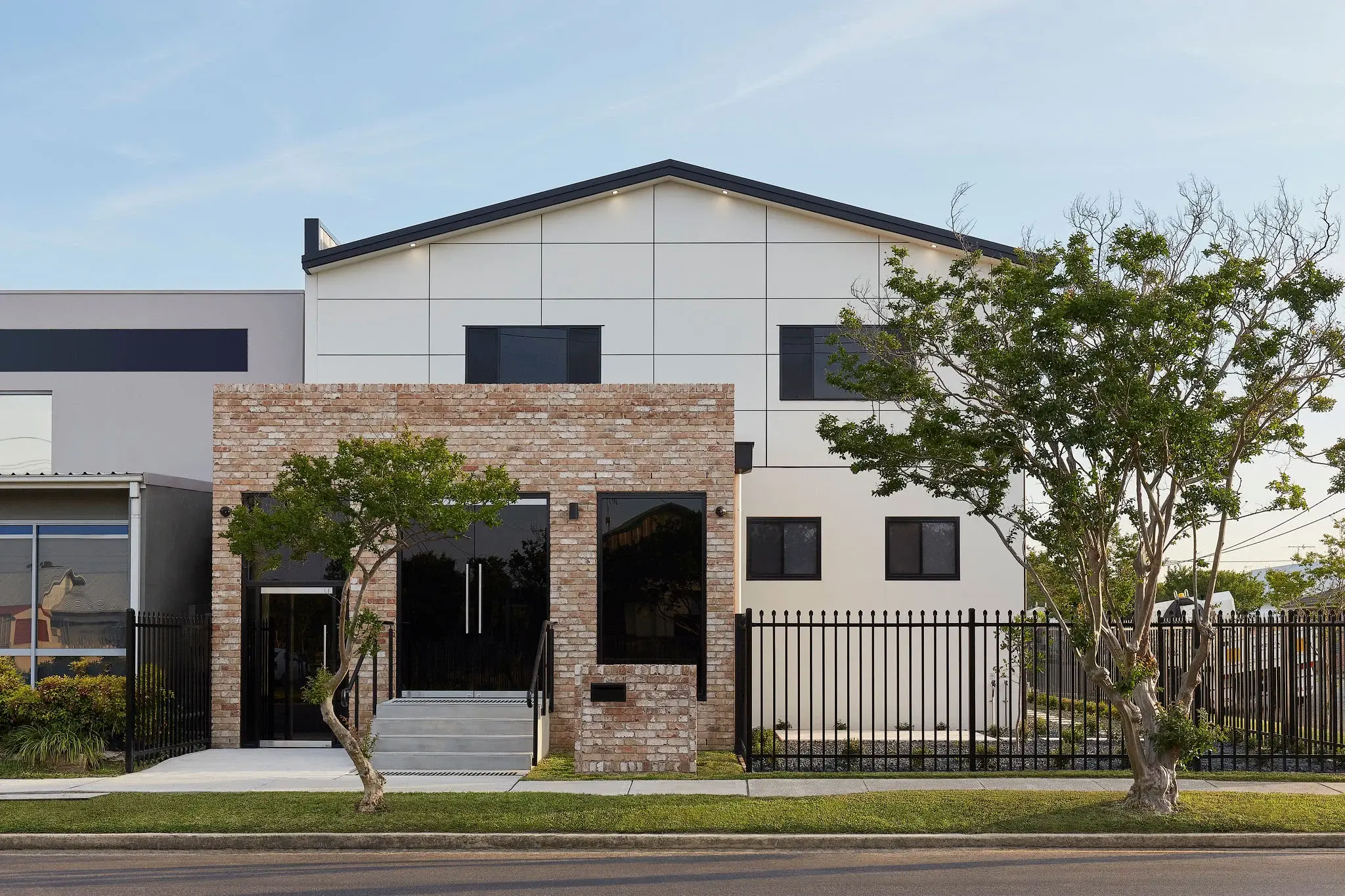
Building Design and Project Management
- Lake Macquarie
Building Design Across Lake Macquarie
Buildingwise Developments is based in Newcastle, immediately adjacent to Lake Macquarie, and has worked on projects across the LGA for years. Warners Bay, Belmont, Toronto, Charlestown, Eleebana, Rathmines, and further south through Morisset - the team knows this council area and the planning environment that comes with it.
Lake Macquarie City Council (LMCC) has its own LEP, its own DCPs, and its own approach to residential development that differs in important respects from Newcastle City Council and the other surrounding council areas. Understanding those differences from the brief stage, not discovering them at lodgement, is what keeps projects on track.
What Makes Lake Macquarie Different
Secondary Dwellings and CDC Pathways
Lake Macquarie City Council has actively supported secondary dwelling development as part of its housing strategy. For many property owners across the LGA, that means secondary dwelling projects that meet the relevant criteria under the State Environmental Planning Policy (Housing) may be eligible for the Complying Development Certificate (CDC) pathway. A CDC is generally faster than a Development Application through council.
That does not mean every secondary dwelling in Lake Macquarie can proceed as Complying Development. Eligibility depends on the site, the zoning, the proposed design, and whether the lot and the existing dwelling meet the applicable criteria. An enquiry establishes the right pathway for the specific site early, before any design direction is committed. Design and approval pathway documentation for Secondary dwelling and granny flat design in Newcastle and the Hunter → , whether the right pathway is a DA or CDC.
Flood Management and Lakeside Sites
A significant proportion of properties across Lake Macquarie sit on or near flood-affected land. Proximity to the lake and to tributary waterways means that minimum floor levels, drainage management, and flood-resilient design considerations need to be identified at the brief stage, not at CC lodgement.
These are not insurmountable constraints. They are design considerations that need to be on the table from the beginning. A design that accounts for flood requirements from Stage 1 moves smoothly through to CC. A design that discovers a flood overlay late has to be revised, re-reviewed, and in some cases, re-submitted.
Bushfire Attack Level Ratings
Suburbs backing onto state conservation areas, including Eleebana and Rathmines, carry Bushfire Attack Level (BAL) ratings that affect both the design and the materials required. BAL ratings impose specific requirements on construction materials, window glazing, decking, and external cladding. Those requirements affect cost and design decisions, and they need to be factored into the project from the concept stage.
Again: not a reason not to build. A reason to identify the constraints early and design around them correctly from the start.
Common Project Types in Lake Macquarie
Secondary Dwellings and Granny Flats
Across Lake Macquarie, secondary dwellings are one of the most common residential projects Buildingwise Developments handles. The reasons vary. Some property owners in Warners Bay, Belmont, and Toronto are adding a secondary dwelling to generate rental income from a larger block. Others are building for family, or making use of a site that can comfortably support a second self-contained dwelling. The approval pathway and the design approach depend on the site. The outcome, a well-designed structure that works alongside the existing home and holds up through every compliance stage, is the same objective regardless. Get the full story on secondary dwelling and granny flat design →
Knockdown Rebuilds
Older properties on good lakeside blocks, particularly in Belmont and Charlestown, are natural candidates for knockdown rebuilds when the cost of renovating an outdated structure outweighs the benefit of retaining it. A knockdown rebuild starts with the site, not the floor plan. Council controls, easements, drainage constraints, and the current LEP requirements for the location all need to be established before any design direction is committed. The existing structure may have been built under controls that no longer apply. The new design has to meet what applies now. Everything about knockdown rebuild building design →
Residential Extensions and Alterations
Not every Lake Macquarie project involves demolition or a second dwelling. Many are about getting more out of what is already there: extending a home that has run out of space, reconfiguring a layout that no longer suits the household, or adding a bedroom, bathroom, or living area to a property that has the land for it.
Extensions and alterations on existing homes can trigger BCA obligations that apply to the whole building, not just the new work. That is the kind of consideration that needs to be worked through at the design stage. Buildingwise Developments assesses those triggers as part of the process. Here's the full range of residential building design across Newcastle and the Hunter →
Approval Pathways in Lake Macquarie
The right approval pathway for a Lake Macquarie project depends on the site and the proposed works. Secondary dwellings that satisfy the SEPP criteria may proceed as Complying Development. Knockdown rebuilds will generally require a Development Application for demolition and a Construction Certificate for the new build. Extensions and alterations follow whichever pathway is appropriate for the specific works and the site.
What does not change across any of these pathways is the compliance review process at Buildingwise Developments. At each design stage, every project is reviewed by registered building surveyors and a licensed builder. Not as a final check before lodgement. Throughout the process, from the first sketch to the completed drawing set.
Find out if the Development Application (DA) documentation and Construction Certificate (CC) documentation, or Complying Development Certificate (CDC) pathway is right for your project, contact us today.
Start Your Lake Macquarie Project
Tell us about the site and what you are planning. An enquiry gives us enough information to have a direct conversation about the approval pathway, the local controls that apply, and what the process looks like for your specific project.
We'd love to hear about your project and let you know how we can help!
Call us on: 02 4957 8187 or click one of the buttons below ...