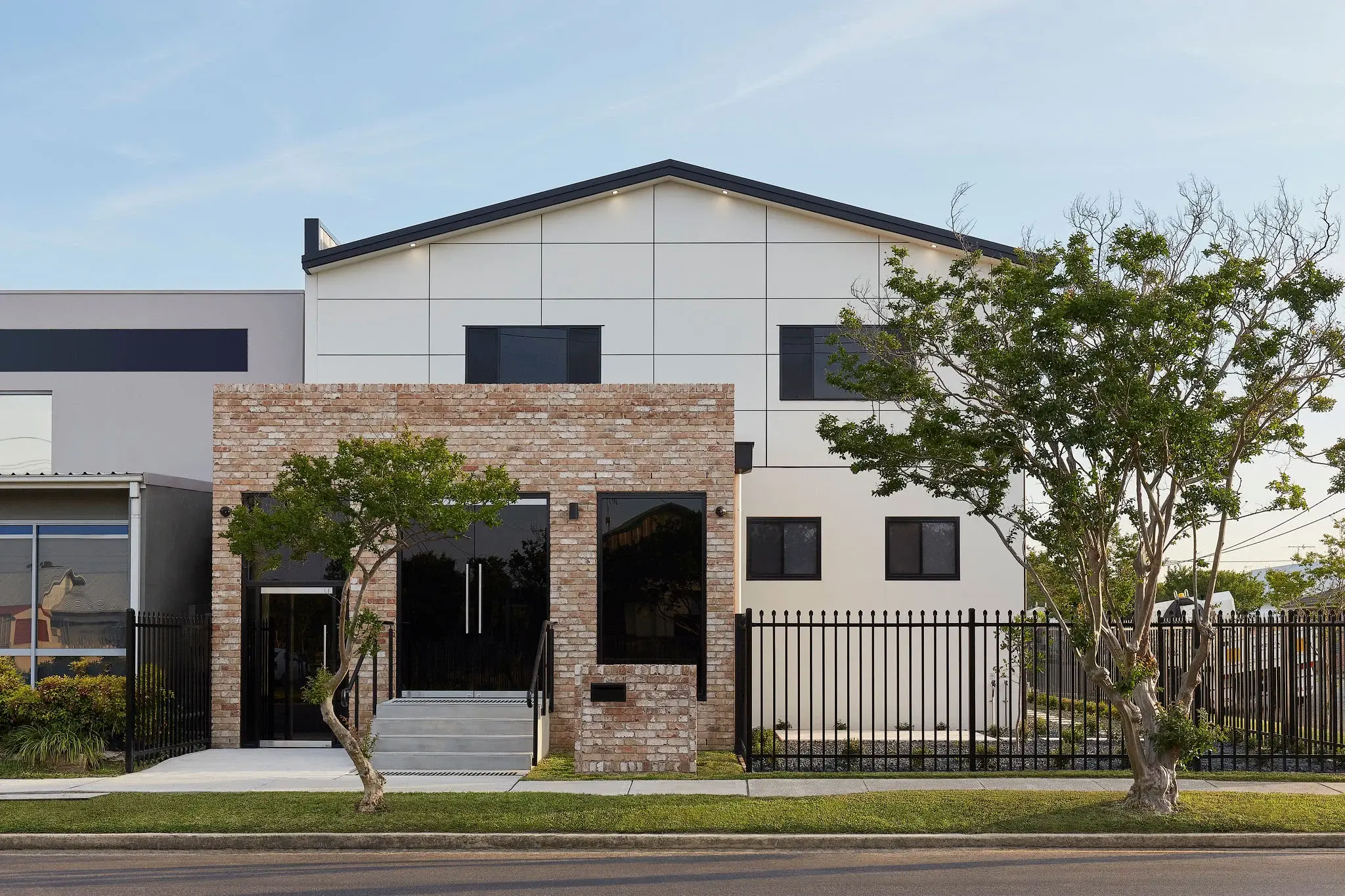
Dual Occupancy and Duplex Building Design - Newcastle and the Hunter
A dual occupancy involves two complete dwellings, each required to meet BCA standards independently, on the same allotment and within the same council controls. That makes it one of the more documentation-intensive residential project types, where catching issues late is proportionally more expensive than on a single-dwelling project. Buildingwise Developments handles dual occupancy and duplex design across Newcastle and the Hunter with compliance review built into every stage, specifically because the DA-to-CC gap on these projects is not something to discover after the fact.
Dual occupancy development is one of the more involved residential project types. Two complete dwellings, each meeting BCA requirements independently, on the same allotment, with shared site constraints, council setback requirements, and in many cases a subdivision outcome in mind from the start.
Getting the design and documentation right on a dual occupancy project matters more than on most other residential project types. The documentation is more complex. The compliance requirements are greater. And the cost of catching problems late, when design decisions about two dwellings have already been worked through and agreed on, is significantly higher than on a single-dwelling project.
What Is a Dual Occupancy?
A dual occupancy is when two or more separate habitable buildings are on the same property. Each dwelling is self-contained with its own living areas, kitchen, and bathroom, and both must be designed to meet BCA requirements independently, as well as in relation to each other on the same allotment.
Dual occupancy is different from a secondary dwelling or granny flat. A secondary dwelling is an ancillary structure built alongside the primary home, subject to different planning controls and typically limited in size under the Housing SEPP. A dual occupancy involves two primary dwellings, often of equivalent standing on the same allotment, and the approval process, design requirements, and BCA obligations reflect that.
More on secondary dwellings and granny flats in Newcastle and the Hunter →
Attached and Detached Dual Occupancies
A dual occupancy can be designed as an attached dwelling (more commonly known as a duplex, where the two dwellings share a common wall) or as two separate detached structures on the same lot.
Attached dual occupancies are common where lot size limits the space available for two separate footprints. The common wall between the two dwellings requires fire separation to BCA standards. Detached dual occupancies require a larger lot and separate setback assessments for each structure.
The design approach, BCA requirements, and council controls differ between the two types, and that assessment begins at the brief stage.
Torrens Title, Strata, and Community Title
Where the goal is to separate the two dwellings into independent titles and allow them to be owned or sold separately, subdivision is required. The most common approach for dual occupancy projects is Torrens title subdivision, which creates a separate lot for each dwelling. Strata subdivision is another option, particularly for attached dual occupancies where the common wall and any shared elements are retained as common property.
The subdivision pathway is determined at the planning stage of the project. The design of the dwellings, the layout of the site, the drainage design, and the positioning of services all need to be consistent with the intended title type from the concept stage. Planning for subdivision after the design is complete typically means revisiting decisions that should have been made at the start.
How Council Controls and the LEP Affect What Is Possible
Not every site can support dual occupancy. Councils set minimum lot sizes for dual occupancy development in their local environmental plans (LEPs). The site also needs to meet setback requirements for both dwellings independently, and the council's development control plan may set additional controls around height, site coverage, and landscaping that directly affect the design options available.
Whether a site is eligible for a dual occupancy depends on the zoning, the lot size, and the specific controls that apply to the property. That assessment happens at the beginning of the project, before any design direction is committed.
The Approval Pathway
When a DA Applies
Most dual occupancy projects proceed through a Development Application. The DA covers both dwellings, the shared allotment, and where subdivision is intended, may include a concurrent subdivision application or be staged to follow DA approval.
Documentation requirements are more detailed than for a single-dwelling project. The DA drawing package needs to address both dwellings, the site as a whole, drainage and services across the allotment, and any other matters required by council for the specific site.
Complying Development and When It May Apply
Under the State Environmental Planning Policy (Housing) 2021, some dual occupancy developments may be capable of proceeding as Complying Development in certain circumstances. Eligibility depends on the site, the zoning, the lot size, and the proposed design. Not all sites are eligible.
Where CDC applies, the building approval is issued by a private certifier rather than through council. A subdivision certificate is required for both properties before building work commences. This may be required through two individual private certifiers, depending on their level of registration. An enquiry will confirm which pathway applies to your specific site and project. More on Complying Development Certificate documentation →
Subdivision and What That Involves at the Planning Stage
If the intention is to separate the two dwellings into individual titles, the subdivision type needs to be established before design work begins. The lot configuration, the positioning of both dwellings on the allotment, the drainage layout, and the design of any shared elements all need to be consistent with the intended title type.
A subdivision application is typically lodged concurrently with or after the DA. The design implications, however, need to be established at the brief stage. Retrofitting a subdivision intent onto a design that was not prepared with it in mind adds cost and complexity that is straightforward to avoid.
Why Dual Occupancy Projects Need Careful Documentation
Two dwellings on the same lot introduce compliance requirements that a single-dwelling project does not face in the same way.
BCA requirements apply to each dwelling independently. For attached dual occupancies, fire separation between the two dwellings must comply with BCA requirements. Energy efficiency requirements apply to each dwelling separately. Structural requirements for the shared wall and common elements have their own compliance obligations. Stormwater and drainage must be designed to account for both dwellings on the one allotment.
On top of that, the DA-to-CC gap that applies to all residential projects is more consequential on a dual occupancy. A design that passes council's DA assessment can still contain non-compliances that emerge at the CC stage in detail. On a dual occupancy project, where the documentation is more extensive and the compliance requirements are greater, the cost of those late discoveries is proportionally higher.
A problem caught at the 5% design stage costs almost nothing to fix. The same problem discovered during construction can cost tens to hundreds of thousands of dollars.
That is why compliance review is built into every stage of the design process at Buildingwise Developments, not added at the end, and why registered building surveyors and a licensed builder review every project throughout the process, from the first concept through to the completed drawing set. Find out more on how the process works →
What Buildingwise Developments Prepares
Site Assessment and Design Documentation
The process begins with the site: lot size and eligibility, applicable council controls, the intended title outcome, and the right approval pathway for the project. The design develops from that assessment, considering both dwellings from the concept stage as a coordinated whole rather than as two separate design problems.
The result is a dual occupancy design that works within the site constraints, meets council requirements, and is prepared from the outset with the intended approval pathway and subdivision outcome in mind.
DA Drawing Package
Full DA documentation for the dual occupancy project, including floor plans and elevations for both dwellings, site plan, shadow diagrams, stormwater and drainage details, and any other drawings and documents required by council for the specific site.
Construction Documentation
Construction documentation prepared to CC stage requirements for both dwellings, covering structural details, BCA compliance, fire separation, energy efficiency, and the full set of drawings and specifications required for construction and for the CC application. Documentation prepared to this standard avoids the variations and resubmissions that come from catching non-compliances during construction.
Coordination with Engineers, Town Planners, and Surveyors
Dual occupancy projects commonly require structural engineers, land surveyors for subdivision, and in some cases town planners where the council controls require a planning report or supporting assessment. Buildingwise Developments coordinates those consultant engagements as part of the project, at Stage 5 of the design process, so that the design is well-developed before external consultants are engaged and their work is integrated into the documentation efficiently.
Common Questions
Can my site support a dual occupancy?
That depends on the block's location and block size, as well as the applicable council controls. Each council sets minimum lot sizes for dual occupancy development in its local environmental plan. The site also needs to meet setback requirements for both dwellings and comply with any other controls in the development control plan. An enquiry gives us what we need to assess your block and give you a direct answer.
What is the difference between a dual occupancy and a secondary dwelling?
A secondary dwelling (granny flat) is an ancillary structure built alongside the primary home. It is subject to different planning controls and typically has a maximum floor area under the Housing SEPP. A dual occupancy involves two primary dwellings of equivalent standing on the same allotment. The two project types involve different approval pathways, different BCA requirements, and different design outcomes. The distinction is worth establishing at the enquiry stage because it affects the approval pathway and what the design can achieve on a given site.
Can I subdivide a dual occupancy and sell both dwellings separately?
Yes, in most cases, provided the dual occupancy was designed and approved with the subdivision in mind from the outset, and provided the lot meets council's requirements for the proposed title type. Torrens title subdivision is the most common approach. The subdivision application is typically lodged concurrently with or after the DA, but the design decisions that make subdivision possible need to be made at the brief stage, not after the design is complete.
Where We Work
Buildingwise Developments prepares dual occupancy and duplex building design documentation across Newcastle, Lake Macquarie, Maitland, Port Stephens, Dungog Shire, Singleton Shire, and the broader Hunter region.
For the right project, work extends across broader NSW.
Start Your Dual Occupancy Project
Tell us about the site and what you are planning. An enquiry gives us enough information to have a real conversation about your project, the right approval pathway, and what the process will look like.
We'd love to hear about your project and let you know how we can help!
Call us on: 02 4957 8187 or click one of the buttons below ...